


-

Add: HeBei ShengShi HongBang Cellulose Technology CO.,LTD.
-

Email
13180486930@163.com -

CONTACT US
+86 13180486930





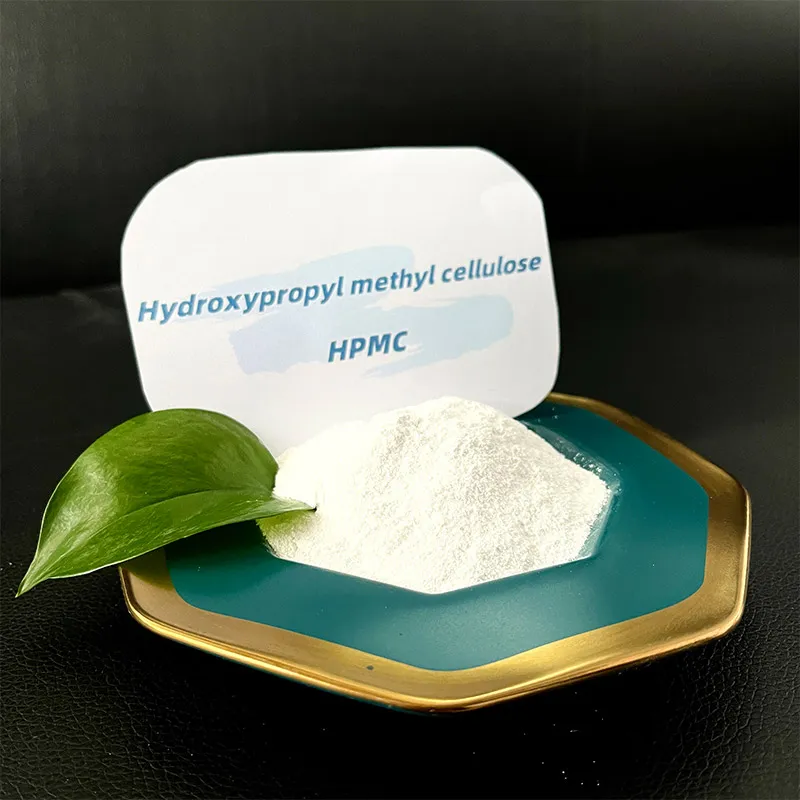
Hydroxypropyl methylcellulose (HPMC) is widely recognized as a versatile compound that finds its application across various industries. Preparing HPMC solutions is paramount for ensuring its effective performance, whether in pharmaceuticals, food processing, or construction. This article sheds light on the expertise required, authoritative guidelines, and trustworthy methodologies associated with HPMC solution preparation. Experience in HPMC solution preparation reveals that the process is both an art and a science, demanding precision and knowledge. Users often face challenges such as insolubility, clumping, or achieving the desired viscosity. These challenges can be mitigated by following specific preparation steps . Here, I will share a streamlined process derived from years of hands-on experience 1. Selection of Grade The choice of HPMC grade significantly influences the end properties of the solution. Different grades offer varying viscosities and gel temperatures, making it crucial to consult technical specification sheets provided by manufacturers to select the right grade for your application needs. 2. Water Quality The quality of solvent, usually water, plays a critical role. Using deionized or distilled water enhances solubility and prevents any potential reactions from contaminants. Experience confirms that temperature-controlled environments boost the solubility rate and uniformity of HPMC throughout the solution. 3. Dispersion Technique Accurate dispersion ensures the complete hydration of HPMC without forming clumps. Begin by sprinkling HPMC slowly into the solvent while stirring continuously. An authoritative tip involves using mechanical stirrers to maintain a consistent dispersal, achieving a lump-free solution efficiently. 4. Temperature Control The temperature of the solvent should be monitored closely. HPMC tends to dissolve better in cold water. By initially employing cold water to disperse the HPMC and later heating it up if the application demands a higher temperature, one can secure optimal results. hpmc solution preparation 5. Hydration Time Time is a crucial factor in preparing an HPMC solution. Allow the solution to hydrate fully, which might take several hours depending on the grade and environmental conditions. Patience is key as incomplete hydration could result in suboptimal solution properties. 6. pH Adjustment For applications requiring specific pH levels, adjust the pH of the solution after full hydration. Different grades of HPMC might react differently to pH adjustments, so it's advisable to conduct small-scale tests before full-scale operations. From a professional standpoint, the expertise of troubleshooting common issues cannot be overstated. In some cases, adding a non-ionic surfactant can assist in reducing surface tension and improving solubility. Furthermore, employing an industrial homogenizer can yield a finer, more consistent HPMC solution in high-demand applications. To establish authority in the preparation of HPMC solutions, it’s paramount to adhere to standardized practices as endorsed by industry leaders. Following guidelines from entities like the United States Pharmacopeia (USP) can ensure compliance and efficacy in pharmaceutical applications. Maintaining a record of every batch's preparation details ensures traceability and identifies areas for future optimization. Trustworthiness is built through consistency and transparency. Regularly testing and documenting the rheological properties of prepared solutions guarantees batch-to-batch uniformity. For enhanced credibility, consider third-party verification from accredited laboratories to validate the effectiveness and safety of the final solution. In conclusion, HPMC solution preparation demands a blend of practical experience, specialized knowledge, and adherence to authoritative protocols. By following these best practices, one can ensure the creation of high-quality HPMC solutions suitable for a variety of applications, ultimately fostering trust and reliability in the end product.
- 40000tons

Production
- 20+years

Experience
- 5000+㎡

Acreage

-

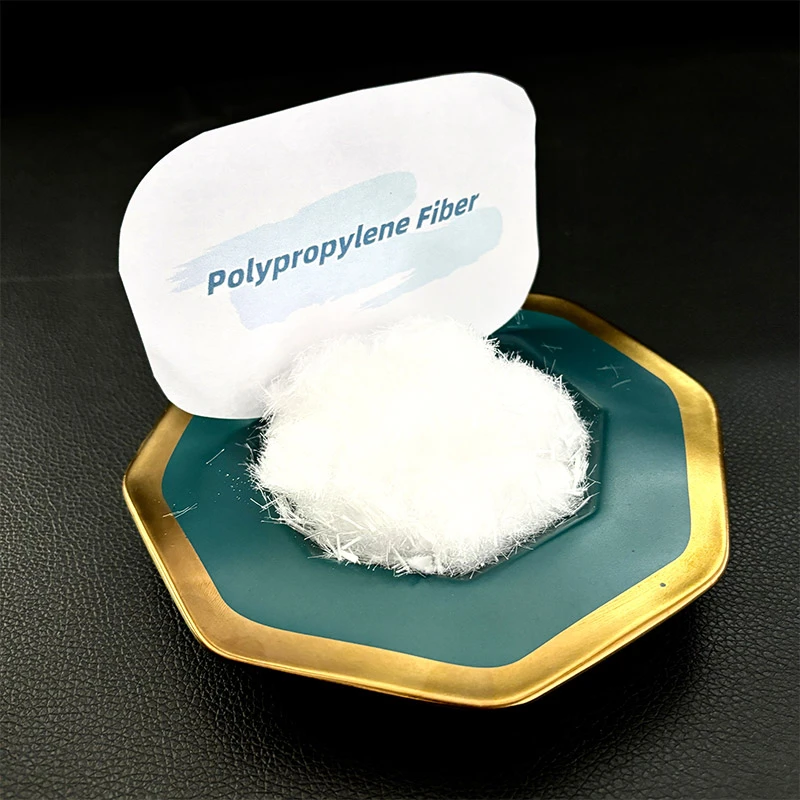
The Role of Polypropylene in Screed Applications Screed is an essential material in the construction industry, primarily used to create a smooth, level surface on floors before the application of final floor finishes. Among the various additives and components that can enhance screed performance, polypropylene has gained significant attention. This article delves into the role of polypropylene in screed applications, highlighting its benefits and considerations. What is Polypropylene? Polypropylene is a thermoplastic polymer that is widely used in various applications due to its excellent chemical resistance, durability, and versatility. As an additive in screed formulations, polypropylene fibers improve several mechanical properties of the material, addressing some common challenges faced in flooring applications. Benefits of Polypropylene in Screed 1. Crack Resistance One of the primary advantages of incorporating polypropylene fibers into screed is the enhancement of fracture resistance. As the screed dries and cures, it is prone to cracking due to shrinkage stresses. Polypropylene fibers help to distribute these stresses more evenly throughout the material, reducing the likelihood of cracks forming. 2. Improved Tensile Strength Polypropylene fibers also contribute to increased tensile strength in the screed mix. This is particularly crucial in high-traffic areas where the floor is subject to additional stresses. The addition of polypropylene not only improves the screed's performance but also extends its lifespan. 3. Enhanced Workability Polypropylene-fortified screed mixtures exhibit improved workability, making them easier to pour and spread. This can lead to more efficient installation processes and better surface finishes. Workers can achieve a smoother application, which is vital for aesthetic and functional floor appearances. 4. Resistance to Delamination Delamination is a common issue in flooring installations where layers of the screed separate from one another. The use of polypropylene helps combat this problem by enhancing the bond between layers, thus maintaining the integrity of the flooring system. nyuzi za polypropen kwa screed 5. Fire Resistance While traditional cement-based screeds can be susceptible to fire damage, polypropylene fibers add a level of fire resistance. Although not fireproof, they can help reduce the risk of damage in case of fire, providing an added layer of safety in specific applications. Considerations When Using Polypropylene in Screed Despite its many advantages, there are some considerations to keep in mind when using polypropylene in screed applications - Dosage The amount of polypropylene added to the screed mix must be carefully calculated. Too much can lead to a decrease in workability and increased water demand, while too little may not provide the desired benefits. - Compatibility with Other Materials It is essential to ensure that the polypropylene used is compatible with other components of the screed mix and does not adversely affect the setting and curing processes. - Environmental Impact While polypropylene is generally considered safe, concerns about its environmental impact and recyclability should be taken into account, particularly in terms of sustainability practices within the building industry. Conclusion Incorporating polypropylene into screed formulations presents a myriad of benefits that can significantly enhance the performance and durability of flooring systems. From improved crack resistance and tensile strength to better workability and fire resistance, polypropylene offers a robust solution to some of the most common challenges in flooring. However, careful consideration of dosage, compatibility, and environmental impact is crucial. With proper application, polypropylene can play a pivotal role in achieving high-quality flooring solutions that stand the test of time. As the construction industry continues to evolve, the integration of advanced materials like polypropylene will undoubtedly contribute to more resilient and sustainable building practices.
-
In the realm of ocular health, the challenge of maintaining eye moisture has garnered immense attention. With technological advancements and extensive research in ophthalmology, solutions like Retained HPMC Lubricant Eye Drops have emerged as vital tools in alleviating discomfort associated with dry eyes. These eye drops, known for their efficacy, cater to a growing demographic of individuals grappling with hydration issues in their eyes. Hydroxypropyl methylcellulose (HPMC), the core component of these lubricant eye drops, embodies a meticulously engineered formula that mirrors the natural composition of the tear film, providing immediate relief and restoring moisture balance. Individuals with conditions such as keratoconjunctivitis sicca (dry eye syndrome) or those facing temporary dryness from environmental triggers find solace in the application of Retained HPMC Lubricant Eye Drops. The viscosity of HPMC is pivotal; it ensures that each drop forms a stable, soothing barrier on the surface of the eye, thereby elongating the moisture retention period. Experience underscores the central importance of these drops, particularly evident in the myriad user testimonials spotlighting their transformative effects. It’s not merely about instantaneous relief; users have reported sustained benefits when incorporated into their routine. Trust emerges not just from these anecdotal experiences but also through clinical studies. According to a prominent study conducted in the Journal of Ocular Pharmacology and Therapeutics, consistent use of HPMC-based lubricants significantly improved comfort levels for individuals, offering tangible evidence of their capabilities. Expertise in the formulation of eye care products like Retained HPMC Lubricant Eye Drops is exemplified by the meticulous refinement of such solutions. Researchers and developers in the field of pharmaceutical sciences focus heavily on not only the efficacy of these solutions but also their safety profiles. The balanced pH, isotonic nature, and preservation-free options further cement these drops as a benchmark in ocular therapy. retaine hpmc lubricant eye drops This expertise is crucial, as the ocular surface is delicate, requiring precise formulations that support rather than hinder natural tear production and distribution. The process entails rigorous testing phases, ensuring that Retained HPMC Lubricant Eye Drops meet and exceed medical standards . Regulatory endorsements from institutions such as the FDA further underline the authoritative stance these drops hold in the market. Trustworthiness is further bolstered by endorsements from ophthalmologists who frequently prescribe these drops to patients suffering from various degrees of eye dryness. The recommendation from eye care professionals not only inspires trust but also validates the scientific rigor involved in their development. The alignment between patient experiences and clinical evaluations creates a holistic narrative that underscores the efficacy of Retained HPMC Lubricant Eye Drops. Navigating the world of dry eye solutions requires a blend of personal experience, clinical expertise, authoritative guidance, and deep-seated trust. Retained HPMC Lubricant Eye Drops embody these aspects, presenting themselves as a paradigm of innovation and reliability. As ocular health continues to gain prominence, solutions that offer both scientific credibility and genuine relief, such as Retained HPMC Lubricant Eye Drops, are indispensable in the pursuit of optimal eye health.
advantages
-

200000 Viscosities
Excellent product
We can produce pure products up to 200,000 viscosities
-

40000 tons
High yield
We don’t stop production all year round, and the annual output can reach 40,000 tons
-

24 hours
Quality service
We provide 24-hours online reception service, welcome to consult at any time
———— Inquiry Form
Schedule A services

-
 extraction_of_cellulose_from_wood
Oct . 25, 2025
Provided by: HeBei ShengShi HongBang Cellulose Technology CO.,LTD. Address: HeBei ShengShi HongBang -
 hpmc_k_100_m
Oct . 25, 2025
Retained eye comfort is often a top priority for individuals dealing with dry eyes. Among the myriad -
 hpmc_15_cps_means
Oct . 25, 2025
In today’s industrial landscape, sustainable material solutions drive innovation. Micronized rubber


